A new product launch at a leading bank is ready to go live. The marketing team scrambles to finalize creative assets, with approvals scattered across email threads and shared drives. As deadlines slip, compliance teams raise red flags about missing disclosures, resulting in a delayed launch, missed revenue targets, and last-minute changes that increase the risk of regulatory issues.
This is a clear example of “creative chaos” — disjointed processes, unclear responsibilities, and manual workflows that slow down marketing initiatives. In banking, every delay or misstep can have real financial and regulatory consequences. Yet the true impact of a broken creative workflow often goes unnoticed or is hard to quantify.
This post reveals the untapped value of structured creative operations in banks, demonstrates how bringing order drives growth and compliance, and equips creative operations leaders to make a value-driven case for transformation.
The real value of creative clarity
Disorganized creative operations do more than frustrate teams. They lead to delayed launches, missed revenue opportunities, and costly compliance fines. When asset approvals are lost in inboxes or feedback is inconsistent, marketing timelines slip, delaying revenue from new products or campaigns and causing customer engagement to suffer.
Consider these common scenarios:
- Last-minute asset changes that force teams to work overtime, increasing costs and stress
- Unclear approval chains, leading to confusion, duplicated work, and missed deadlines
- Non-compliant content slipping through, exposing the organization to regulatory scrutiny
These are not just workflow annoyances. They are real business risks. Creative chaos slows down work and leads to measurable losses in revenue, wasted resources, and increased risk of compliance penalties. In regulated industries like banking, the stakes are even higher.
Why banks can’t afford to overlook creative operations
Banks and financial services organizations operate under unique pressures, with strict compliance requirements, the need for speed to market, and high expectations for brand consistency all converging in the marketing function.
In this setting, even small workflow breakdowns can have outsized effects. Missed deadlines can lead to regulatory penalties. Inconsistent branding erodes customer trust and damages reputation. Delays in campaign delivery mean missed opportunities in a competitive market.
The compounded impact of chaos in regulated industries is significant because every asset must meet legal and brand standards, and any deviation can result in costly fines or reputational harm. Creative operations are not just about efficiency. They help protect profitability and regulatory standing.
Banks that treat creative operations as a core business function are better able to guard against these risks, respond faster to market opportunities, maintain compliance, and deliver a consistent brand experience across every channel.
Bringing order to the chaos: what effective creative operations look like
Bringing structure to creative operations starts with a few foundational best practices:
- Centralized creative intake so all requests and briefs are submitted and tracked in one place, eliminating confusion and lost information.
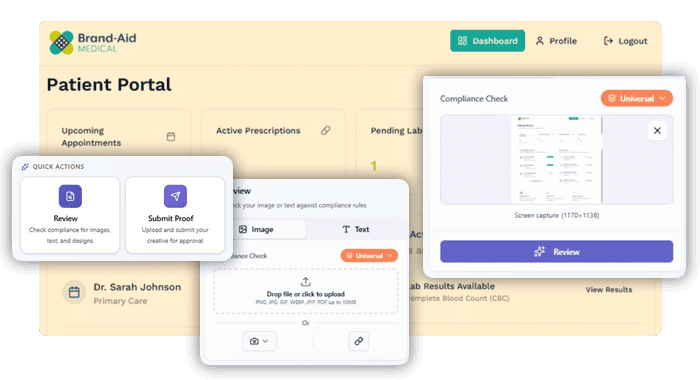
- Automated review and approval workflows with built-in version control, feedback threads, and audit trails to help teams cut turnaround times and ensure every asset meets compliance standards.
- Actionable insights for resource allocation using real-time dashboards and analytics that provide leaders with visibility into workloads, timelines, and asset performance.
- Built-in brand and compliance checks through automated workflows and audit-ready records to help maintain brand integrity and reduce regulatory risk
Lytho is trusted by more than 600 in-house agency teams, reflecting the growing adoption of structured creative operations in the industry. By centralizing requests, automating reviews, and empowering teams with self-service templates, solutions like Lytho help banks deliver on-brand content faster and with less risk than using legacy or disconnected tools.
Turning creative chaos into competitive advantage
Unmanaged creative workflows lead to measurable consequences, including lost revenue, compliance fines, and wasted resources. Structure and process directly reduce these risks, helping banks protect profitability and regulatory standing.
Elevating creative operations is not just about efficiency. It is a strategic move that helps ensure compliance, speeds up campaign delivery, and strengthens brand reputation.
Now is the time for creative leaders in financial services to evaluate their own processes and consider the business impact of reducing chaos. By prioritizing operational structure, teams can deliver more value with less friction.
For more practical guidance, read our related blog post on creative operations best practices, subscribe for ongoing insights, or download our guide to streamlining creative workflows.
Frequently asked questions
What are the most common sources of creative chaos in financial services marketing?
Creative chaos in financial services marketing often arises from disconnected tools, unclear intake processes, and manual approval workflows. These issues create bottlenecks, slow down project delivery, and increase the risk of errors or non-compliance. By lacking a unified system, teams can easily lose track of asset versions and feedback, leading to rework and confusion. The result is wasted time, higher costs, and greater exposure to regulatory risk. Streamlining tools and processes helps ensure smoother collaboration, faster approvals, and more reliable compliance.
How can creative operations teams prove the ROI of process improvements to leadership?
To demonstrate ROI, creative operations teams should track and report on key metrics like reductions in project delays, compliance incidents, and resource costs after implementing new processes. Presenting before-and-after data, such as faster campaign launches or fewer regulatory issues, provides tangible evidence of value. It’s also effective to reference industry benchmarks or customer success stories that highlight measurable gains. By quantifying time and cost savings, teams can make a compelling case for continued investment in creative operations. Ultimately, proving ROI helps secure leadership buy-in and supports ongoing growth.
What steps can banks take to start bringing more structure to their creative workflows?
Banks can begin by centralizing project intake so all creative requests are captured and tracked in one place, reducing confusion and missed tasks. Automating routine review and approval workflows ensures consistency, speeds up turnaround times, and minimizes compliance risks. Implementing real-time tracking and audit trails gives teams visibility into project status and helps maintain regulatory standards. These steps not only streamline collaboration but also empower teams to deliver high-quality, on-brand content faster and with greater confidence. Adopting structured workflows ultimately drives efficiency and protects both reputation and revenue.