It’s 4pm on a Friday, and your team gets yet another urgent promotional request, which probably sounds familiar to most casino marketing and creative teams. Last-minute changes and a relentless stream of promotional needs are simply part of the job. When every request is “high priority,” operational cracks inevitably start to show. Assets get scattered, manual handoffs slow everything down, and the team’s energy fizzles just as deadlines tighten. The result is more than missed deadlines or inconsistent campaigns. Team burnout and a drop in creative quality follow.
This article explores how centralizing workflows and automating repetitive tasks can protect your team’s well-being, boost productivity, and keep your casino brand consistent even when the pressure is on.
Why Casino Marketing Teams Feel the Pressure
Casino marketing teams operate in a unique setting where the pace is fast, driven by a constant need to promote events, offers, and regulatory updates. Request volume is not only high but also unpredictable. One day, your team is finalizing creative for a major holiday campaign, and the next, you’re fielding multiple urgent requests for slot tournaments, dining specials, or compliance-driven changes from legal.
This unpredictability means creative teams are often working reactively. Last-minute changes can derail carefully planned schedules, forcing teams to scramble, work overtime, or sacrifice attention to detail. Over time, this cycle leads to operational chaos, with missed details, inconsistent branding, and rising stress across the team.
Morale takes a hit when creative professionals feel like they’re always playing catch-up. The constant pressure leaves little room for strategic thinking or creative exploration, and instead, teams get stuck in a reactive loop, focused on surviving the next deadline.
Lytho is trusted by 600+ in-house agency teams, which signals that creative leaders across industries, including casinos, are seeking dependable solutions to bring structure and clarity to their processes.
Recognizing burnout as a real operational risk—not just an efficiency challenge—can be the first step toward meaningful change. When left unaddressed, burnout doesn’t just slow down project delivery. It can erode team culture and lead to costly turnover.
Recognizing When Workloads Become Unsustainable
Burnout rarely arrives all at once. Instead, it builds up, often hidden behind late nights and heroic efforts to “just get it done.” The warning signs are clear if you know where to look:
- Missed or delayed deadlines become routine, not the exception
- Brand assets lose consistency as teams rush to deliver
- Team members show signs of fatigue, disengagement, or increased sick days
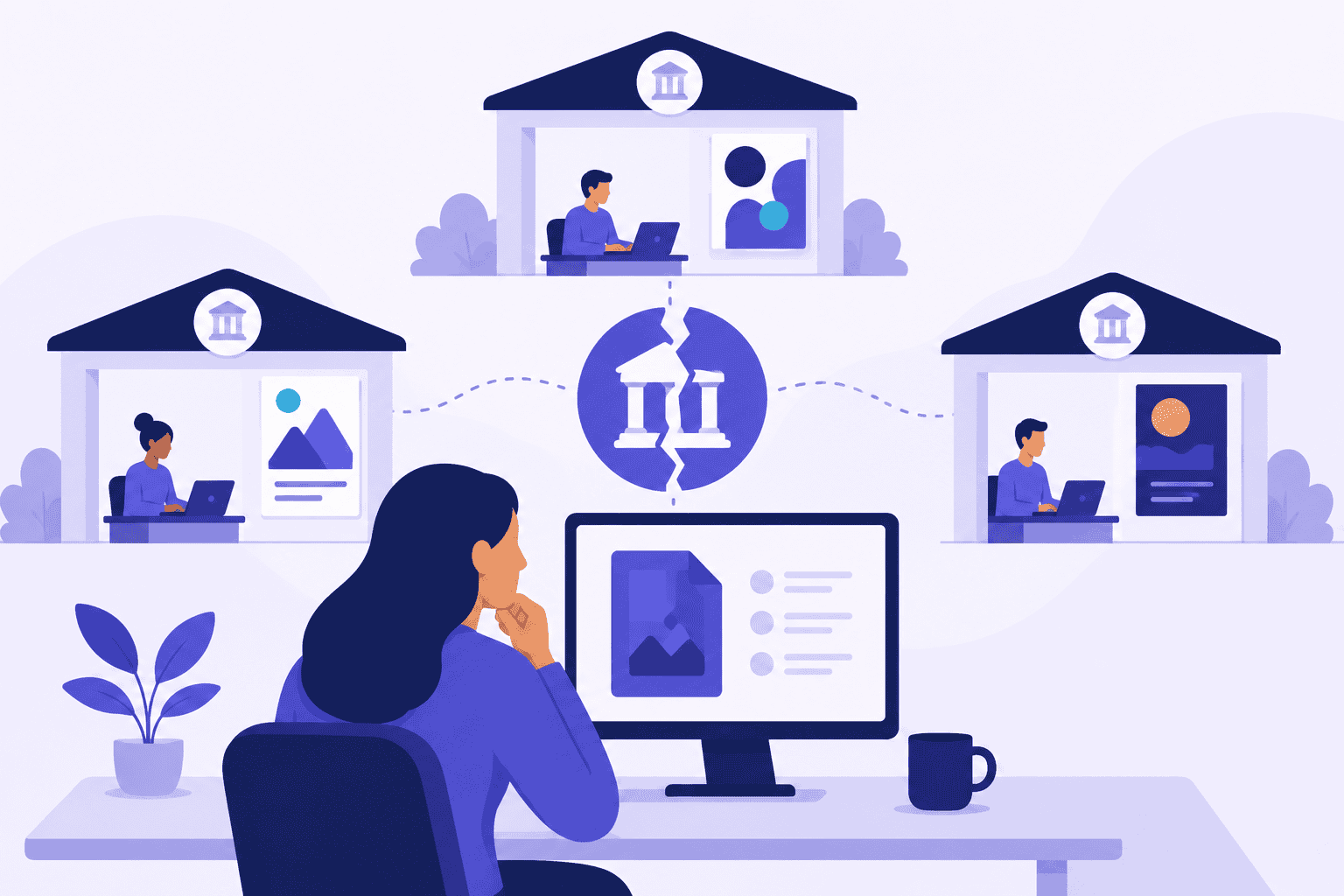
- Communication breaks down, with requests and feedback scattered across emails, chats, or cloud drives
Manual, fragmented workflows make these problems worse. Without a central system, it’s easy for requests to slip through the cracks or for stakeholders to lose sight of project status. Creative leads spend more time tracking down assets and managing approvals than guiding the work itself.
After adopting Lytho, 68% of customers prioritize increasing content volume and 63% focus on improving briefing and intake, showing that teams, once freed from manual chaos, can scale output and improve the quality of creative briefs—both important for casino marketing teams facing high-volume demands.
Fragmented processes don’t just slow things down. They create a breeding ground for burnout and delivery inconsistency. When creative professionals spend more time managing process than producing great work, everyone loses, especially the brand.
How Centralized Workflow Management Prevents Burnout
Centralizing creative workflows is about more than just efficiency. It’s about protecting your team and enabling consistent, high-quality output at scale. Here’s how it works:
- Streamlined intake: All requests enter through a single system, making it easy to prioritize, assign, and track every project
- Automated approvals: Built-in workflows move projects from brief to review to approval without endless email threads or manual follow-ups
- Balanced workloads: Visibility into project timelines and team capacity allows managers to allocate resources proactively, preventing overload and last-minute scrambles
Automation reduces repetitive manual tasks like file routing, version tracking, and compliance checks so creative professionals can focus on what they do best.
As Bob Budnik, Director of Brand and Creative at Sun & Ski Sports, puts it, “We now have a tool in place where automation allows a junior resource to do the work, saving us money and speeding up delivery, and it’s a win for the company’s bottom line and our team’s creativity.”
This shift doesn’t just improve the bottom line. It creates space for team members to contribute more meaningfully, learn new skills, and avoid the fatigue that comes from constant firefighting.
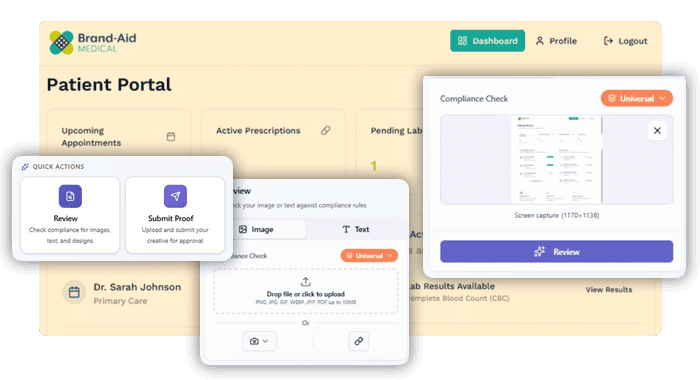
Centralized workflow management also supports brand consistency. With all assets, briefs, and feedback in one place, it’s easier to enforce brand standards and regulatory compliance, which is especially important in the casino industry.
Practical steps to get started include:
- Assessing your current process for bottlenecks and manual pain points
- Piloting a solution like Lytho that unifies intake, reviews, approvals, and asset management
- Empowering your team with self-service templates and clear dashboards for workload visibility
The ROI is easy to see. You get better brand consistency, happier teams, and sustainable productivity.
Conclusion
Centralizing creative operations workflows is not just about moving faster. It’s about building a foundation that prevents burnout, supports team well-being, and sustains high creative output in casino marketing. Teams that prioritize structure and automation are better equipped to handle high request volume without sacrificing quality or morale.
Team well-being and brand consistency are as vital as speed and efficiency for long-term success. With the right systems in place, casino creative teams can thrive even when the pressure never lets up.
Explore more tips for creative operations leaders, download our workflow management checklist, and subscribe for more insights on creative team well-being.
Frequently Asked Questions
What are the most common causes of burnout in casino creative operations teams?
High request volume, last-minute changes, and manual processes are leading drivers.
How can workflow management tools support both creative output and team well-being?
By automating repetitive tasks, centralizing communication, and providing workload visibility, these tools help teams focus on high-impact work and reduce stress.
What should I look for in a centralized creative operations solution for my casino marketing team?
Look for integration with existing tools, ease of use, automation features, and the ability to support brand consistency and compliance. Consider solutions like Lytho that are purpose-built for in-house creative teams.