Last-minute compliance checks can derail even the most carefully planned product launches. For creative teams in consumer packaged goods (CPG), these rushed reviews often cause delays, missed deadlines, and costly errors that threaten both brand reputation and regulatory standing. Embedding regulatory and brand requirements into every step of the creative process, rather than adding them at the end, helps teams avoid these pitfalls. This blog explores why relying on end-stage compliance checks is risky for CPG teams and how embedding compliance and audit trails at every phase helps maintain control, reduce errors, and deliver faster results.
Why Traditional Compliance Approaches Leave CPG Teams Exposed
Traditional creative compliance workflows often rely on a single, final review before assets are released. For CPG brands managing high volumes and frequent launches, this method is risky and inefficient. When compliance is treated as an afterthought, errors slip through, and teams may ship outdated packaging, miss required disclaimers, or use unapproved claims. The result is often a scramble to fix issues late in the process, which leads to rework, delayed launches, or even regulatory penalties.
Fragmented compliance processes also undermine brand governance and marketing compliance. Without a centralized system, teams struggle to track approvals, manage asset versions, or ensure messaging consistency across channels. This lack of coordination increases the risk of non-compliant content reaching the market and weakens operational control. For CPG teams, a single missed error can trigger a costly recall or damage trusted brand equity.
How Integrated Compliance Empowers Creative Teams and Reduces Risk
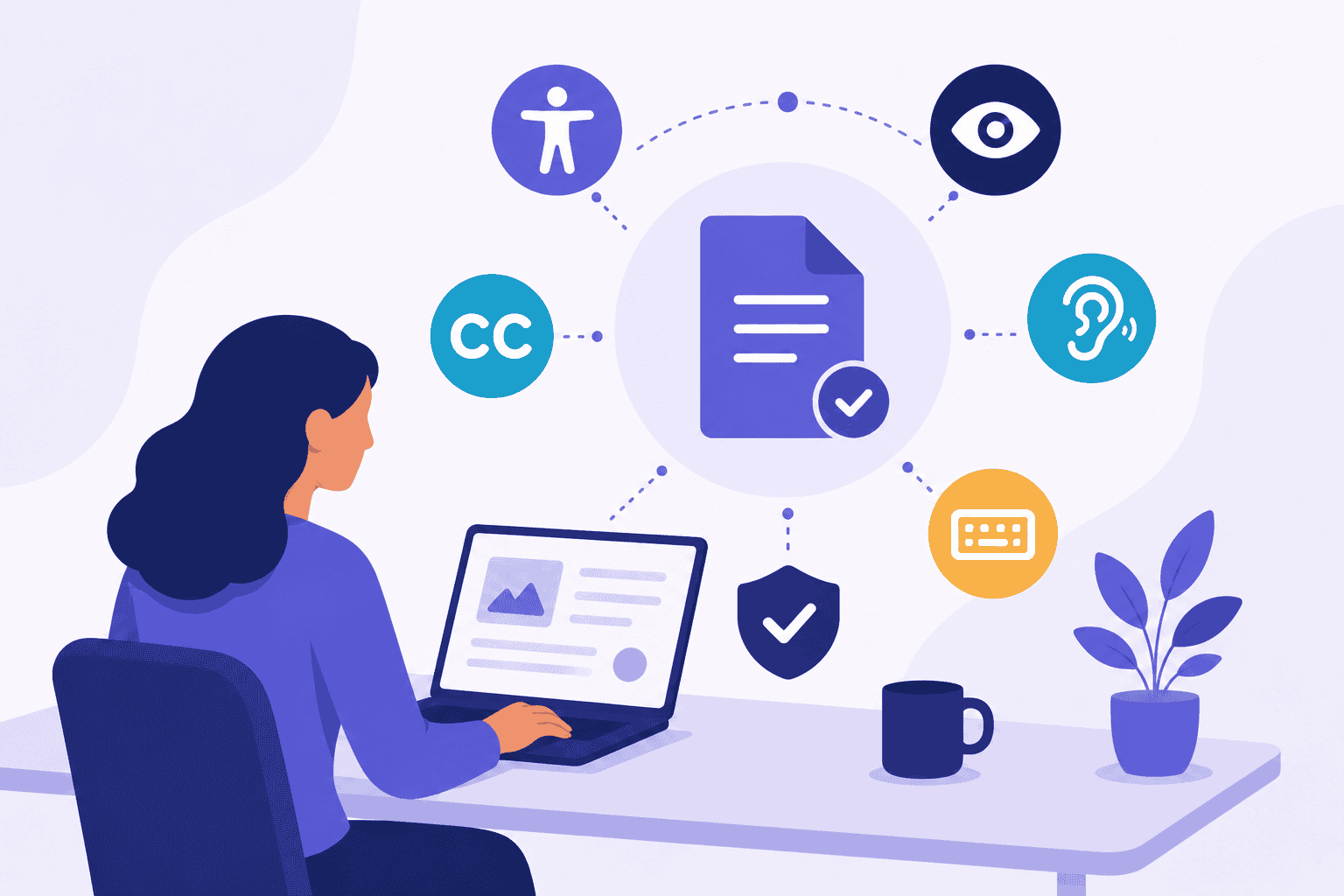
Embedding compliance into every phase of the creative workflow changes how CPG teams operate. Automated audit trails, locked templates, and centralized asset management give teams the structure and transparency needed to meet CPG regulations without slowing down.
Centralized asset management gives teams a single source of truth for all creative assets. With locked templates and version control, teams use only approved, up-to-date materials. Automated audit trails record every approval and change, supporting regulatory compliance and making reporting straightforward.
Embedding compliance throughout the process delivers measurable results. According to C2B Research (2024), organizations saw an 82% increase in content output, with 68% prioritizing content volume and 63% focusing on improved intake. Lytho is trusted by 600+ in-house agency teams to deliver these efficiencies. As Sun & Ski Sports shared, “With Lytho, we have a single source of truth for our creative assets, making compliance and brand consistency so much easier.”
By building compliance into every step, teams reduce manual errors, minimize rework, and accelerate project delivery. Integration removes compliance as a bottleneck and turns it into a support system, giving creative teams the confidence to deliver at scale.
Turning Compliance into a Competitive Advantage for CPG Brands
When compliance is fully embedded, it becomes more than a safeguard. It drives efficiency and builds brand trust. Actionable insights and self-service tools empower both designers and non designers to create on-brand, compliant content quickly. Workflow automation eliminates bottlenecks and reduces the burden of manual tracking.
For CPG organizations, this means:
- Consistent brand governance across all channels
- Transparent audit trails that support regulatory reporting and accountability
- Faster content turnaround to meet the demands of frequent launches and promotions
- Increased stakeholder trust, as teams deliver on-brand assets with accuracy and speed
Giving teams the right tools ensures everyone can contribute to compliance, not just a select few. This process builds operational control and positions compliance as a source of confidence for both internal teams and external stakeholders.
Unlocking Growth Through Creative Efficiency
Embedding compliance throughout the creative workflow is vital for CPG teams facing mounting demands and rising regulatory scrutiny. By moving away from fragmented, end-stage checks and adopting embedded compliance tools, organizations reduce risk, increase speed, and maintain brand consistency. Integrated compliance empowers teams to deliver more, with less friction and greater control.
What could your team achieve if compliance became a seamless part of your creative DNA? For more practical tips and tools, download our compliance checklist or subscribe to our newsletter for ongoing insights.
Frequently Asked Questions
What are the first steps to reducing administrative work in a creative team?
To effectively reduce administrative work, start by thoroughly mapping out your team’s existing workflows to pinpoint where time and resources are being lost. Identify repetitive, manual tasks—like project intake, approvals, and status updates—that could benefit most from automation. Once these bottlenecks are clear, research and implement workflow automation tools tailored to your team’s needs, ensuring they integrate smoothly with your current systems. Involving team members in this process helps uncover real pain points and builds enthusiasm for new solutions. Regularly reviewing and optimizing these workflows ensures sustained efficiency gains and empowers your team to focus on higher-value creative work.
How does automation impact creative quality and team morale?
Automation positively transforms creative teams by eliminating tedious, repetitive tasks, freeing up time and mental energy for strategic, high-impact work. This shift allows team members to focus on creativity and innovation, resulting in higher-quality outputs and more original ideas. By reducing busywork, automation also helps prevent burnout and increases job satisfaction, as professionals feel their skills are valued and utilized effectively. Consistent, automated workflows minimize errors and streamline collaboration, fostering a more positive and productive work environment. Ultimately, automation boosts both team morale and the quality of creative deliverables.
What should CPG creative operations leaders look for in a workflow solution?
CPG creative operations leaders should prioritize workflow solutions that centralize project intake, reviews, and asset management to provide full visibility and control over the creative process. Look for platforms that support regulatory compliance, offer robust collaboration features, and can easily scale as your team’s needs grow. Seamless integration with existing tools and systems is essential to avoid disruption and maximize productivity. Comprehensive reporting and analytics capabilities are also valuable, enabling continuous process optimization and data-driven decisions. Choosing an intuitive, user-friendly solution ensures rapid adoption and long-term success for your creative team.