Imagine your team is notified of a surprise regulatory audit. Are you confident your creative workflow could stand up to scrutiny? For many marketing operations leaders in financial services, the answer isn’t always clear, since a creative workflow covers the entire process of requesting, reviewing, approving, and delivering marketing projects. In regulated industries like banking and insurance, audit readiness isn’t just a best practice. It is a business imperative that demands a level of rigor many teams may not have fully achieved.
Yet, hidden compliance risks often go unnoticed. Fragmented intake, inconsistent approvals, and scattered asset management can expose teams to regulatory penalties and operational chaos. This post will help you diagnose these gaps and introduce core practices such as centralized intake, version control, and documented approvals. These steps support audit readiness and operational control, helping your processes stay both efficient and compliant.
Spotting the Hidden Risks in Your Creative Workflow
Creative workflow automation and strong marketing operations are vital for teams facing mounting compliance demands, but many organizations still struggle with several persistent challenges:
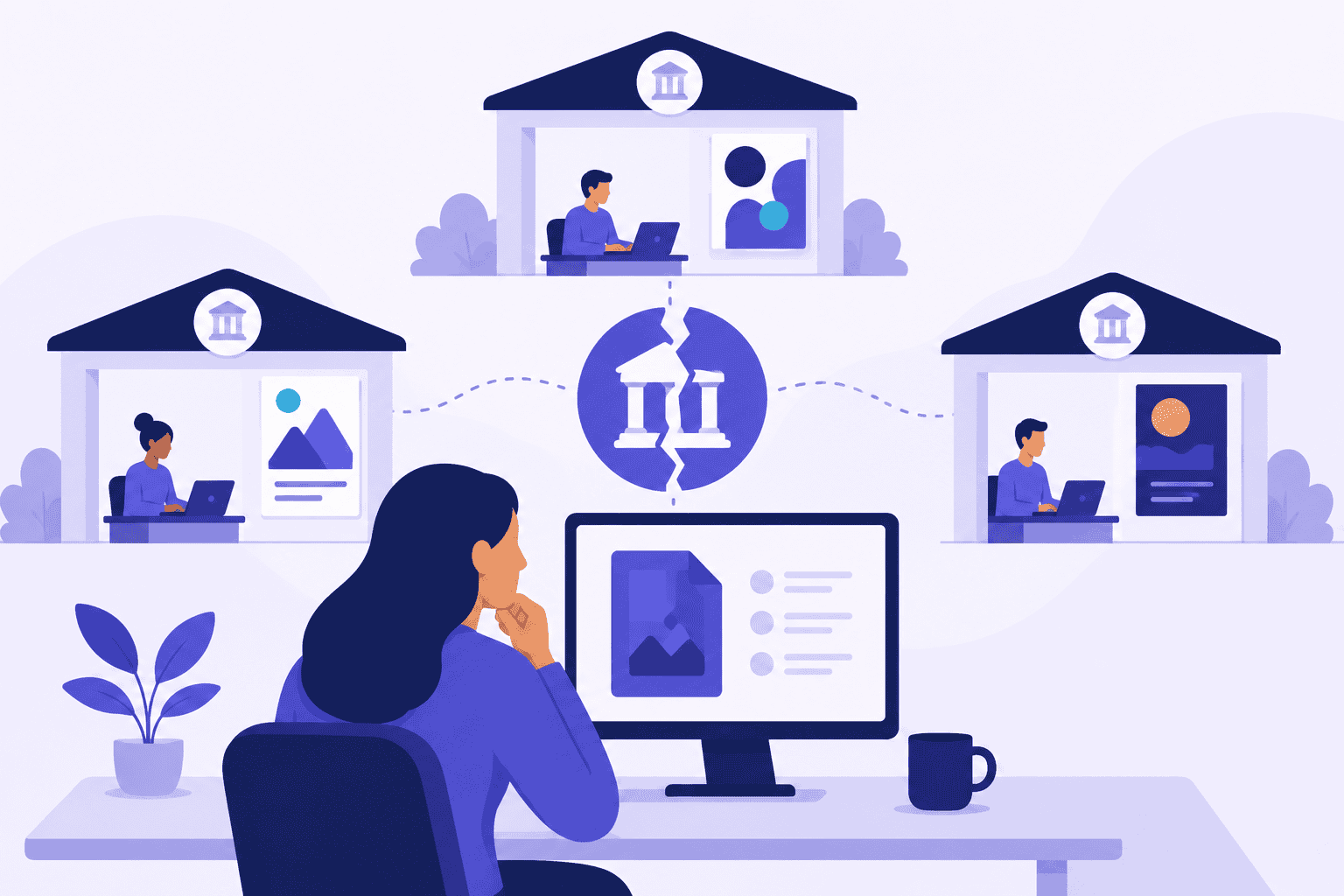
- Fragmented project intake: Requests arrive through emails, chats, or ad hoc forms, making it difficult to track who asked for what and when. This can quickly spiral into confusion and missed requirements.
- Unclear approval chains: Without a standardized content approval workflow, it’s easy to lose sight of who signed off on which asset or version. This opens the door to unauthorized or non compliant content being released.
- Scattered digital assets: Files stored across cloud drives, desktops, and email threads lead to confusion and raise the risk of outdated or unapproved content being published. This undermines both efficiency and compliance.
These breakdowns create operational risks, including lack of visibility, compliance exposure, and the very real possibility of failing an audit. As content demands increase, these risks become even more pronounced. In fact, 82% of Lytho customers report increased content output year over year, which highlights the challenge of scaling while maintaining compliance and control.
Diagnosing your workflow for weak points before they become liabilities allows you to protect your organization from regulatory penalties and reputational damage.
These breakdowns create operational risks, including lack of visibility, compliance exposure, and the very real possibility of failing an audit. As content demands increase, these risks become even more pronounced. In fact, 82% of Lytho customers report increased content output year over year, which highlights the challenge of scaling while maintaining compliance and control.
Diagnosing your workflow for weak points before they become liabilities allows you to protect your organization from regulatory penalties and reputational damage.
Building an Audit-Ready Creative Process
To address these risks, three main practices are vital for project management for creative teams in regulated industries:
- Centralized Intake
A centralized intake process means all creative requests are submitted through a single, standardized channel. This ensures every project is tracked from the start with clear documentation of who requested it, what’s required, and when it’s due. Centralized intake reduces confusion, prevents duplicate work, and provides an auditable trail for every campaign, giving teams the structure they need to work efficiently and stay compliant. - Version Control
Version control tracks every change made to a creative asset, keeping a complete history of edits, comments, and approvals. Teams can reduce errors and maintain asset integrity. This not only makes it easier to revert to previous versions if needed but also provides clear evidence of compliance with regulatory and brand standards. It supports creative flexibility and thorough documentation. - Documented Approvals
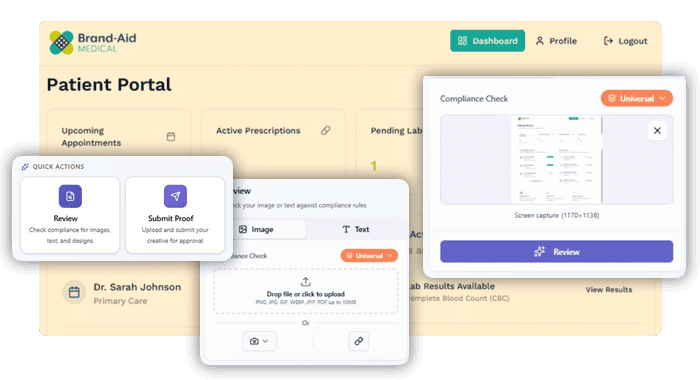
Keeping documented approvals at every stage of the content approval workflow matters. Automated audit trails capture who approved what, when, and any feedback provided. This transparency makes audit preparation easier and lowers the risk of unapproved content slipping through, creating a strong foundation for both compliance and creative efficiency.
The impact of these practices is clear. 68% of customers prioritize increased content volume and 63% improve briefing and intake after adopting Lytho. By embedding these controls into your workflow, you lower compliance risk and streamline project management for creative teams.
Real-World Benefits of Audit-Ready Workflows
Audit-ready creative workflows offer more than regulatory peace of mind. They deliver practical operational and creative benefits:
- Fewer revisions and faster delivery. With clear processes and automated controls, teams spend less time chasing approvals and reworking assets. This lets them focus on producing high-quality content.
- Better visibility, efficiency, and brand consistency. Centralized information and standardized templates ensure every asset meets brand and compliance standards. This supports both creative excellence and regulatory alignment.
Data from Lytho customers shows the results. 80% of customers now reduce creative revisions to three or fewer per deliverable. Bob Budnik of Sun & Ski Sports shares, “We now have a tool in place where automation allows a junior resource to do the work, saving us money and speeding up delivery…”
Lytho is trusted by over 600 in-house agency teams. Their experience shows that audit-ready workflows drive business value and creative confidence, not just compliance.
Identifying compliance gaps and adopting centralized intake, version control, and documented approvals are important steps for auditreadiness.Proactive workflow management is not just about passing the next audit.It is about achieving operational excellence and supporting scalable growth.
Identifying compliance gaps and adopting centralized intake, version control, and documented approvals are important steps for audit readiness. Proactive workflow management is not just about passing the next audit. It is about achieving operational excellence and supporting scalable growth.
Seeing compliance as an opportunity for greater efficiency and creative freedom, rather than a regulatory burden, empowers teams to deliver more high-quality content with fewer errors. To get started, download our workflow audit checklist or guide and subscribe to our newsletter for ongoing tips on creative workflow automation.
Frequently Asked Questions
What are the first signs that my creative workflow might not be audit-ready?
Watch for inconsistent approval records, missing documentation, or unclear project intake processes. These are early indicators of compliance risk.
How can I balance creative flexibility with the need for compliance and control?
By using automation and clear processes such as version control and documented approvals, teams can keep creative agility while making sure regulatory standards are met.
What tools or technologies can help streamline content approval workflows for audit readiness?
Solutions that centralize creative intake, automate approvals, and maintain version histories, such as Lytho, can bring order, clarity, and auditability to creative operations and support both compliance and efficiency.