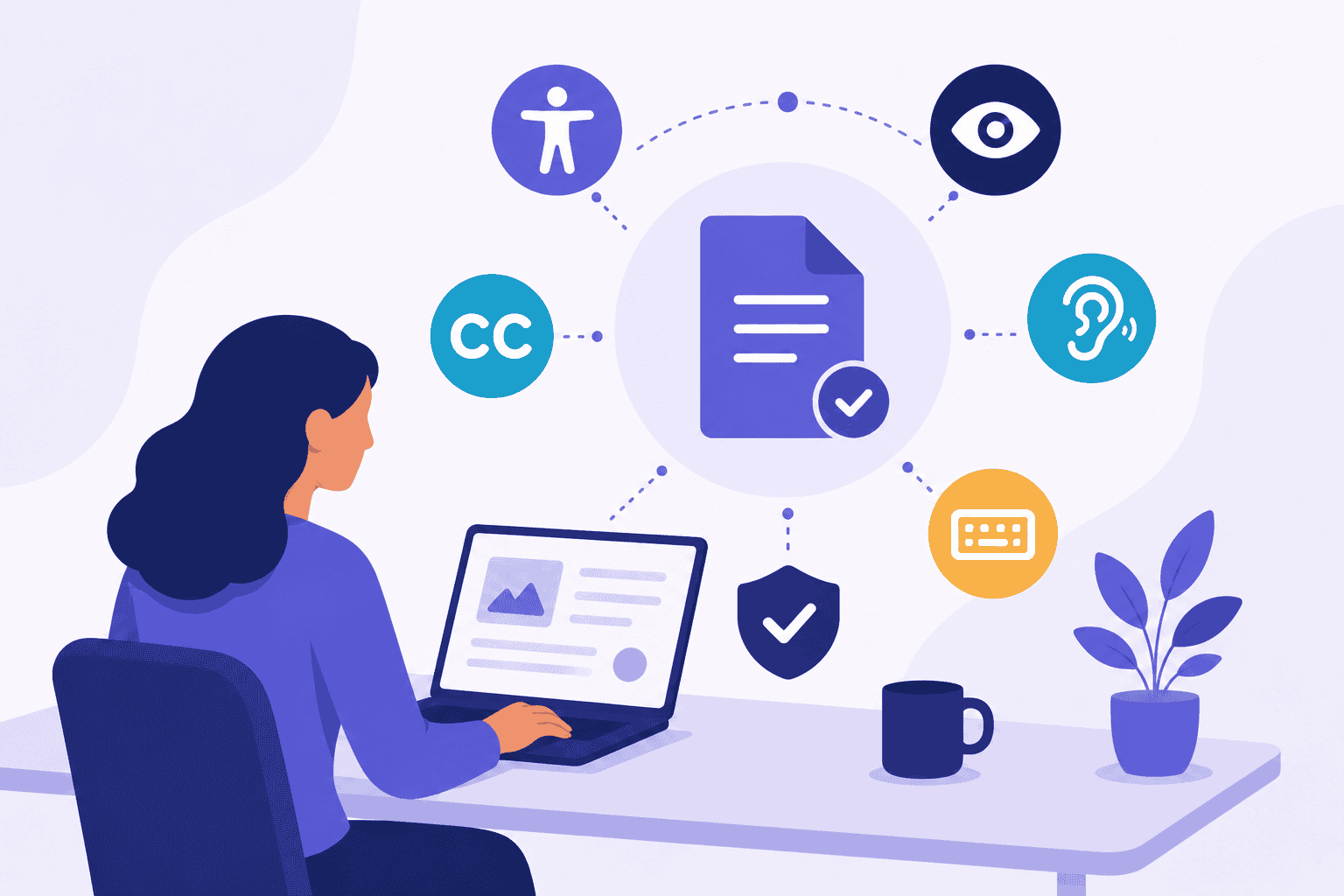
You’re racing to meet a campaign deadline, searching for the approved asset in a sea of folders, while regulatory review looms and audit stress mounts. For healthcare marketing and creative teams, this isn’t just a bad day. It’s a recurring challenge. Digital asset management (DAM) means organizing, storing, and retrieving digital assets like images, videos, and documents while ensuring compliance and audit readiness. In regulated industries such as healthcare, where every asset must meet strict standards, the stakes are high.
Many teams believe a standard cloud drive is enough to manage these assets. Relying on basic storage tools creates compliance gaps, audit headaches, and operational inefficiency. This post dispels three common myths about DAM in healthcare, showing why purpose-built solutions are necessary for compliance, efficiency, and risk reduction.
Myth #1: “A Cloud Drive Is All You Need for Digital Asset Management”
At first glance, cloud drives seem convenient and offer basic storage, folder structures, and sharing options. For healthcare organizations, these features fall short. The difference between cloud storage and a DAM for healthcare is significant. While cloud drives simply hold files, DAM solutions provide the compliance and governance features required in regulated settings.
DAM for healthcare includes
- Metadata management for detailed asset tagging and classification
- Version control to track changes and approvals
- Audit trails that document every action for compliance reviews
Demand for content output has increased by 84%, making basic tools insufficient for asset retrieval and governance (Source: Lytho, 2024). Without centralized controls, teams waste hours searching for the right asset and risk outdated or incorrect content being used. Proving compliance becomes difficult when assets and approvals are scattered. Cloud drives lack the controls needed for audit-ready processes, which exposes organizations to unnecessary risk.
Regulated industries need more than generic storage. Purpose-built DAM solutions are needed for secure, compliant, and efficient healthcare content management. They bring order to asset chaos and support the operational rigor healthcare teams require.
Myth #2: “Compliance and Audit Readiness Are Built-In to Basic Storage”
Healthcare organizations face unique compliance and audit requirements. Regulations such as HIPAA, brand standards, and strict audit trails govern every piece of content. Usage rights and access controls aren’t optional. They are required.
A true DAM for healthcare automates asset compliance with
- Automated audit logs that record every action
- Version history to track edits and approvals
- Usage rights management to control who can use what and where
These features are missing from basic cloud drives. As a result, 32% of digital asset managers worry about off-brand content, highlighting persistent compliance challenges (Source: Lytho, 2024).
Dedicated DAM solutions enforce regulatory standards and make audit readiness routine, not reactive. Automated workflows and audit-ready records let teams demonstrate compliance at any moment, reducing risk and saving time during regulatory reviews.
Myth #3: “Switching to a DAM Is Too Disruptive for Our Team”
Concerns about migration disruption, metadata management burden, and stakeholder resistance are common. Change can feel risky, especially when teams are stretched thin. Modern DAM solutions are designed to minimize disruption and support a smooth transition.
Practical solutions include
- Guided onboarding and phased migration options to maintain business continuity
- Auto-tagging and bulk editing features to reduce manual metadata work
- Intuitive interfaces and tailored training to help stakeholders adapt quickly
After adopting a DAM, 82% of organizations report higher content output (Source: Lytho, 2024). Operational efficiency improves as manual tasks are automated and approvals are streamlined. As one customer shared, “Sun & Ski Sports reduced operational costs by automating creative workflows with Lytho” (Source: Lytho, 2024).
DAM helps drive operational efficiency, asset compliance, and creative empowerment. This is especially true in healthcare content management, where the need for control and speed is greatest.
Cloud Drives Aren’t Enough: The Case for Purpose-Built DAM in Healthcare
Cloud drives fall short for regulated industries. Only a purpose-built DAM for healthcare delivers true asset compliance, audit readiness, and operational efficiency. In healthcare, compliance and audit readiness aren’t optional, and centralized, automated DAM is needed.
Rethink your asset management practices. Explore best practices for regulated content management, and consider solutions designed for the unique demands of healthcare.
Ready to take the next step? Download our DAM compliance guide, subscribe to our newsletter, or join a community discussion on asset compliance.
Frequently Asked Questions
How does a DAM for healthcare differ from a standard cloud drive?
A DAM provides robust asset compliance features such as metadata, version control, audit trails, and usage rights required for regulated healthcare content management.
What steps can help ensure a smooth DAM migration in a regulated environment?
Choose a DAM with guided onboarding, auto-tagging, and phased rollout. Involve stakeholders early to minimize disruption and maximize adoption.
How does a DAM support ongoing audit readiness and asset retrieval?
Automated audit logs, centralized asset controls, and advanced search ensure fast, compliant asset retrieval and simplify regulatory audits.