For years, content governance depended on centralized workflows. Content was created, reviewed, approved, and published inside controlled systems where marketing and compliance teams had visibility into every step.
That’s no longer how content gets made.
Today, teams create and publish content across browser-based tools, CMS platforms, collaboration apps, and AI environments that often sit outside formal workflows. Content moves faster, across more teams and more systems, but organizations are still accountable for brand consistency, compliance, and audit readiness.
That shift has created a major governance gap — one that traditional approval processes weren’t built to handle.
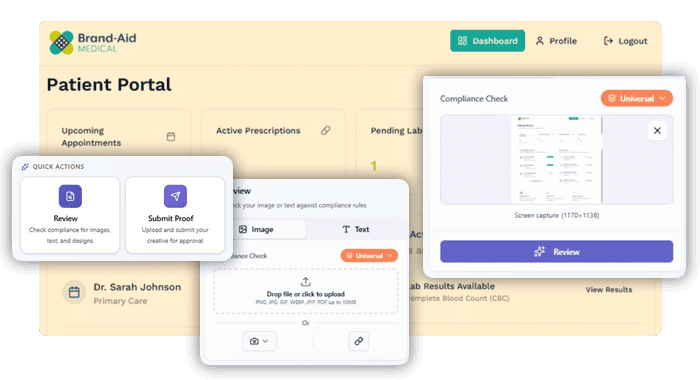
Lytho’s Chrome Extension helps close that gap by bringing governance directly into the environments where content is being created and published.
How does Lytho’s Chrome Extension improve content governance?
Most governance tools rely on content being uploaded into a centralized platform before review can happen. In practice, that means teams often lose visibility into content created or updated elsewhere.
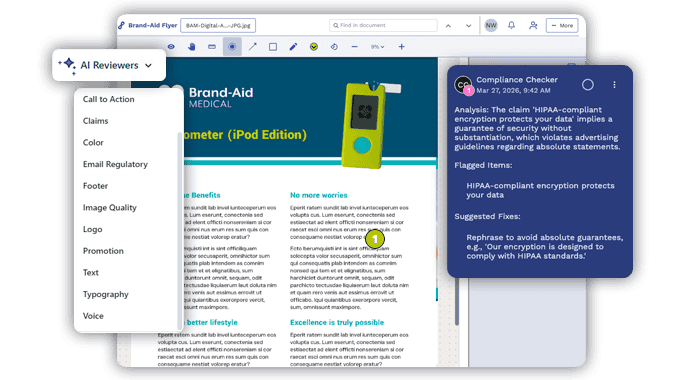
Lytho’s Chrome Extension extends governance into browser-based workflows so teams can review and validate content without disrupting the work itself.
Instead of switching systems or restarting workflows, teams can:
- Review live web content
- Identify brand and compliance issues earlier
- Route content into governed workflows when needed
- Maintain visibility across distributed content creation
By embedding governance closer to the point of creation, organizations can catch issues before publication rather than after the fact.
Why is governance harder for distributed content teams?
Distributed content operations create complexity. Regional teams, sales teams, external agencies, and business units often work independently across multiple tools and channels.
At the same time, content velocity continues to increase — especially as AI accelerates production.
The challenge isn’t just managing approvals. It’s maintaining oversight across environments that marketing and compliance teams don’t fully control.
Without governance built into those workflows, organizations face increased risk of:
- Off-brand messaging
- Unsupported claims
- Missing disclosures
- Inconsistent language
- Limited audit visibility
Lytho’s Chrome Extension helps organizations introduce governance earlier in the content lifecycle by bringing review capabilities directly into browser-based environments.
How can organizations scale governance without slowing down content creation?
Governance processes often become bottlenecks when they require teams to leave the tools they already use or wait for disconnected review cycles.
Lytho’s approach focuses on embedding governance into existing workflows instead of adding another layer of operational friction.
That allows teams to move faster while maintaining oversight and consistency across distributed content environments.
As content creation becomes more decentralized, governance can’t remain tied to a single platform or approval stage. It has to extend across the full content lifecycle — wherever the work is happening.
Learn more about Lytho’s Chrome Extension and how it helps teams bring governance into the flow of work.
Frequently asked questions
What is content governance in marketing?
Content governance is the process of ensuring marketing content follows brand, compliance, and regulatory standards before publication. It helps organizations maintain consistency, reduce risk, and improve visibility across distributed teams and channels.
How do you maintain brand compliance across distributed teams?
Organizations maintain brand compliance across distributed teams by embedding governance into the tools teams already use. Solutions like Lytho’s Chrome Extension help teams review live content, identify issues earlier, and maintain oversight across browser-based workflows without slowing down content creation.
How can marketing teams govern AI-generated content?
Marketing teams can govern AI-generated content by introducing review and compliance checks earlier in the content lifecycle. Governance tools that integrate directly into browser-based and AI workflows help teams detect off-brand messaging, unsupported claims, and missing disclosures before content is published.