Missed campaign deadlines, endless revision cycles, and inconsistent branding are more than just everyday frustrations for CPG marketing teams. These problems signal deeper operational issues that can stall growth, erode brand trust, and leave teams overwhelmed. Workflow automation, which uses technology to streamline creative processes, reduce manual steps, and eliminate approval bottlenecks, offers a proven way to regain control. But how do you know when your team is reaching a breaking point? This post will help you spot the early warning signs of workflow breakdowns and show why automation is needed for scaling content production and maintaining consistency in CPG marketing.
Recognizing the Red Flags: When Creative Workflows Start to Fail
Campaign delays, approval bottlenecks, and inconsistent branding are common symptoms of a creative workflow under stress. When teams rely on spreadsheets, scattered email threads, or manual tracking, small hiccups quickly snowball into missed deadlines and lost opportunities. A CPG team managing frequent product launches and promotions might find itself chasing down stakeholders for feedback, only to discover that asset versions have become tangled or off brand content has slipped through the cracks. Overwhelmed teams can lose sight of priorities, and the pressure to deliver faster only amplifies mistakes.
These operational pain points are not isolated. They reflect broader industry challenges, such as escalating demand for speed and scale, the need for compliance and brand consistency, and the shift toward empowering in-house creative teams. Early detection of these red flags is important, because when creative workflows start to break down, visibility and control are lost, making it harder to deliver results or prove campaign impact.
Why Manual Processes Break Down as CPG Teams Scale
As CPG teams grow and campaign volume rises, manual processes struggle to keep up. Each new product launch adds more requests, more stakeholders, and more opportunities for miscommunication. Compliance requirements and brand governance add complexity, while cross-functional collaboration becomes harder to coordinate. The result is a higher risk of errors and delays.
According to C2B Research (2024), 68% of customers prioritize increasing content volume after adopting Lytho, which shows a clear industry trend. Scaling content production is a top priority, but manual workflows simply cannot support the speed and accuracy required. Without marketing automation, teams face mounting inefficiency and operational risk, making it difficult to respond to market trends or regulatory changes.
How Workflow Automation Directly Addresses CPG Marketing Challenges
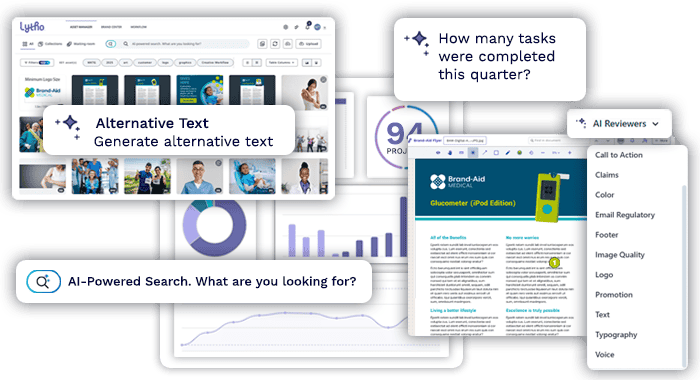
Workflow automation solves these challenges by centralizing campaign intake, automating review cycles, and managing assets in one solution. Marketing teams can reduce approval bottlenecks and shorten campaign delays. With automation, repetitive tasks are handled quickly and consistently, letting creative professionals focus on high-impact work.
The operational impact is clear.
- 82% report increased content output (C2B Research, 2024)
- 80% reduce revisions to three or fewer per deliverable (C2B Research, 2024)
Bob Budnik of Sun & Ski Sports shares, “We now have a tool in place where automation allows a junior resource to do the work…” This practical benefit lets teams deliver more with fewer errors, even as project volume grows. Automation also ensures that every asset meets compliance and brand standards, reducing risk and simplifying audit trails. This is a big advantage for CPG marketers handling regulated products and omnichannel campaigns.
Safeguarding your brand in a fragmented world
Recognizing the five warning signs of workflow breakdown—delays, bottlenecks, inconsistent branding, overwhelmed teams, and lack of visibility—is the first step toward operational improvement. Marketing automation is no longer optional for CPG teams that want to scale content production and maintain control. By addressing issues early and adopting proven automation solutions, marketers can deliver results, ensure compliance, and support growth without chaos.
Operational improvements are within reach, so take time to assess your workflows, explore solutions like Lytho, and move forward at your own pace. For more practical guidance, download our workflow audit checklist or subscribe to our newsletter for ongoing insights on creative workflow and marketing automation.
Frequently Asked Questions
How do I know if my team is ready for workflow automation?
Look for persistent campaign delays, approval bottlenecks, and difficulty scaling content as signs your team could benefit.
What are the biggest challenges when switching from manual to automated workflows?
Common hurdles include user adoption, integrating with existing MarTech stacks, and adapting processes. These are manageable with the right support.
How can I ensure new workflow tools integrate with our existing MarTech stack?
Choose solutions designed for compatibility, prioritize open APIs, and involve IT early to ensure smooth data sync and minimal disruption.