In financial services, a single off-brand message or compliance misstep can erode trust and trigger costly consequences, so brand governance is about protecting your reputation and bottom line, not just maintaining a polished appearance. Creative and brand leaders must enforce consistency and compliance across every marketing channel, but fragmented asset management, slow approval cycles, and compliance risks often get in the way, making it hard to balance creative flexibility with organizational control. How can you simplify workflows, enforce standards, and gain visibility without sacrificing creative flexibility? This post shares five practical steps to make brand workflows simpler, boost brand consistency and compliance, and speed up content delivery, helping your team create on brand content at scale.
Understand Why Brand Governance Matters in Financial Services
Brand governance provides the structure to ensure every message, asset, and campaign matches your organization’s identity, values, and regulatory requirements. Brand consistency means visual and verbal alignment across all channels, while brand compliance ensures every asset meets legal and regulatory standards.
Financial services organizations face unique risks because regulatory scrutiny is increasing and manual processes are no longer sustainable. Non-compliance can lead to penalties and reputational harm, and inconsistent branding undermines customer trust, so managing marketing assets is a top priority.
A structured, practical plan is needed, which is why solutions like Lytho are trusted by more than 600 in-house agency teams to bring order to creative operations, lower risk, and support brand integrity. A clear governance strategy lays the groundwork for scaling creative output without chaos.
Centralize Your Asset Managementfor Brand Consistency
Digital asset management (DAM) and marketing asset management involve organizing, storing, and distributing creative files such as logos, imagery, templates, and campaign materials in one secure location. Centralizing these assets reduces errors, speeds up approvals, and supports
brand compliance. Teams always have access to the latest, approved, on-brand content, which minimizes the risk of outdated or unauthorized materials being used and helps maintain consistency.
Centralized systems make collaboration easier and ensure that every department works from the same playbook. For example, 82% of Lytho customer respondents report an increase in content output year over year, showing the value of centralizing assets. This boost in productivity is especially valuable for financial services organizations facing high project volume and strict regulatory demands, so centralized asset management gives you a real advantage.
Streamline Approvals and Workflows with Automation
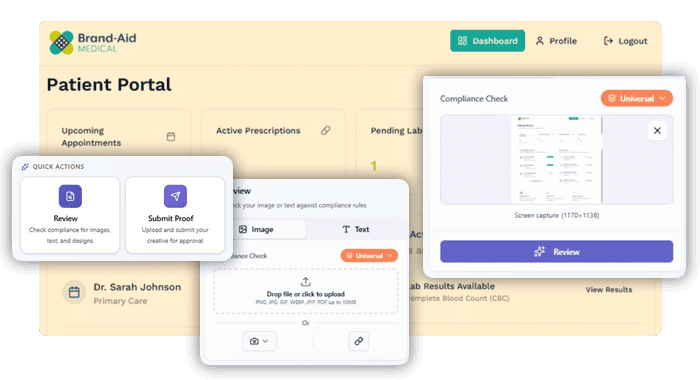
Automated workflows help reduce bottlenecks and compliance risk. By routing creative assets through customizable approval steps, you make sure the right stakeholders review and approve every piece before it goes live. Audit trails and version control give you a clear record for compliance and accountability, making regulatory reporting and internal reviews much more efficient.
Customizable templates let teams create assets that meet brand standards, while audit-ready records simplify regulatory reporting. Automation leads to faster turnaround and fewer revisions, driving both efficiency and quality. The impact is clear, with 82% of Lytho customer respondents reporting an increase in content output year over year, which shows the value of automation in creative operations.
When you use automated workflows, financial services organizations can improve both brand consistency and compliance, letting creative teams focus on high-value work instead of repetitive administrative tasks.
Conclusion
Strong brand governance in financial services is possible with the right plan. By centralizing assets, automating workflows, empowering teams, and tracking results, you can make operations more efficient, improve brand consistency and compliance, and speed up approvals without adding complexity or limiting creative freedom.
Actionable, scalable strategies and digital asset management tools like Lytho give you the clarity and control needed for today’s demands. As the industry changes, using these best practices positions your team for ongoing improvement and ensures on-brand content delivery stays agile and effective.
Frequently Asked Questions
What are the biggest risks of not centralizing brand assets in financial services?
Risks include compliance failures, inconsistent messaging, and lost productivity, all of which can lead to reputational and financial harm.
How can automation improve both compliance and creative output?
Automated workflows and templates help reduce errors, speed up approvals, and ensure every asset meets brand and regulatory standards, supporting both compliance and creative efficiency.
What features should I prioritize in a digital asset management solution for financial services?
Look for audit trails, integration capabilities, user-friendly templates, and real-time analytics to support brand consistency and compliance, ensuring your solution meets the unique needs of the financial services industry.