The hidden risks that can unravel ADA compliance after April 2026
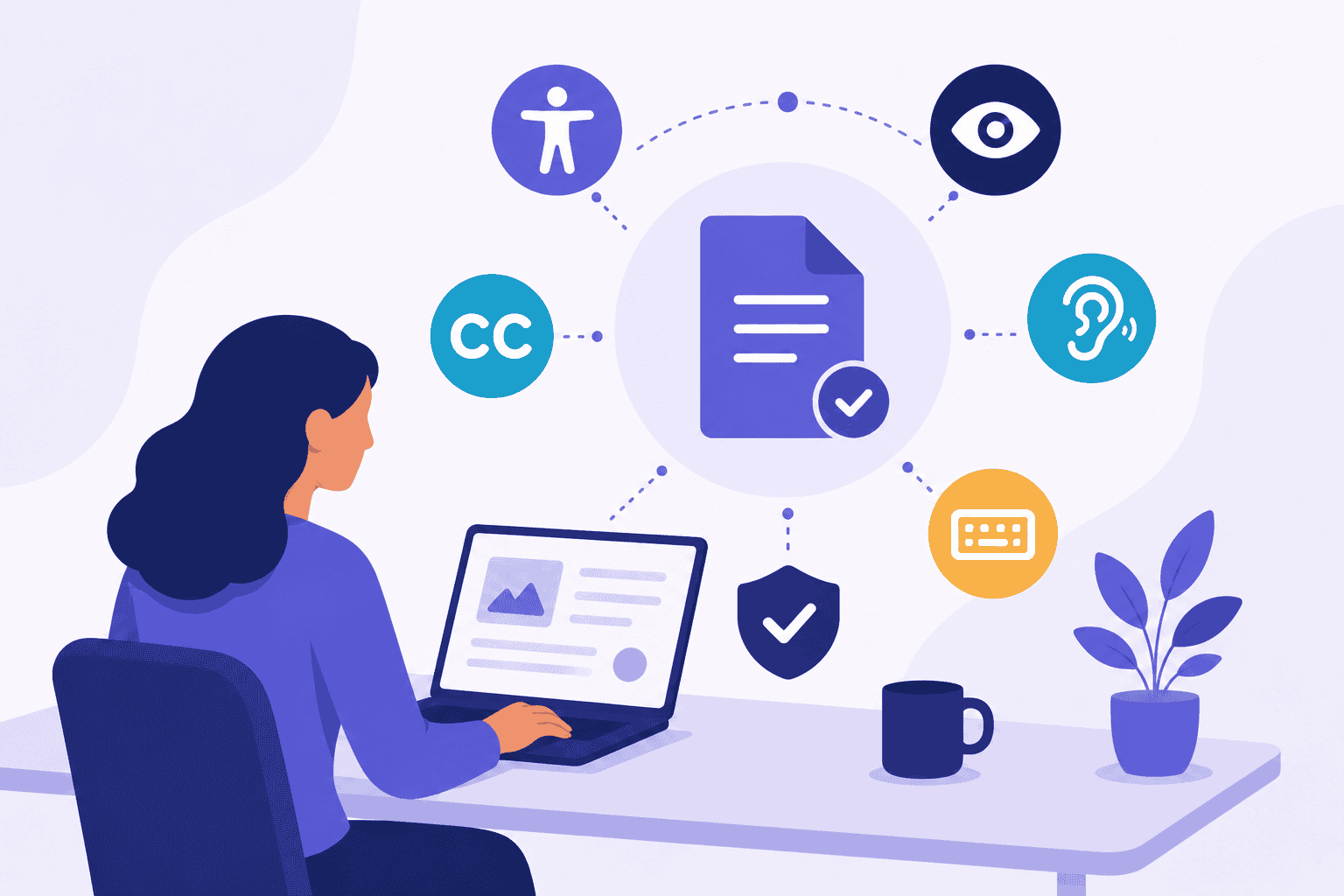
For many higher education institutions, the April 2026 ADA deadline has become the focal point of accessibility planning. Teams are auditing websites, remediating PDFs, captioning videos, and working hard to meet WCAG 2.1 Level AA standards under updated Title II regulations.
But an important question is often left unspoken:
What happens after remediation?
Because accessibility compliance isn’t a moment in time. It’s something universities must maintain continuously, even as content is updated, reused, and republished across campus every day.
This challenge is only growing. As AI expands content creation across industries, universities face a new reality: more people can generate more assets faster than ever before. Without governance systems in place, compliance can erode almost immediately.
The real challenge isn’t reaching compliance once.
It’s sustaining it as the institution keeps creating.
Why accessibility often breaks down after the deadline
Most accessibility failures don’t happen because institutions stop caring.
They happen because higher ed content environments are inherently complex.
A remediated brochure doesn’t stay untouched. A compliant syllabus gets revised. A captioned video is uploaded to one platform but shared elsewhere without the same safeguards.
Over time, small changes compound into regression.
Universities produce thousands of digital assets every year, moving quickly through decentralized teams with different tools, processes, and levels of accessibility expertise.
Without systems that reinforce accessibility as content evolves, compliance begins to break down.
The blind spots institutions don’t always anticipate
One of the most common hidden risks is version drift.
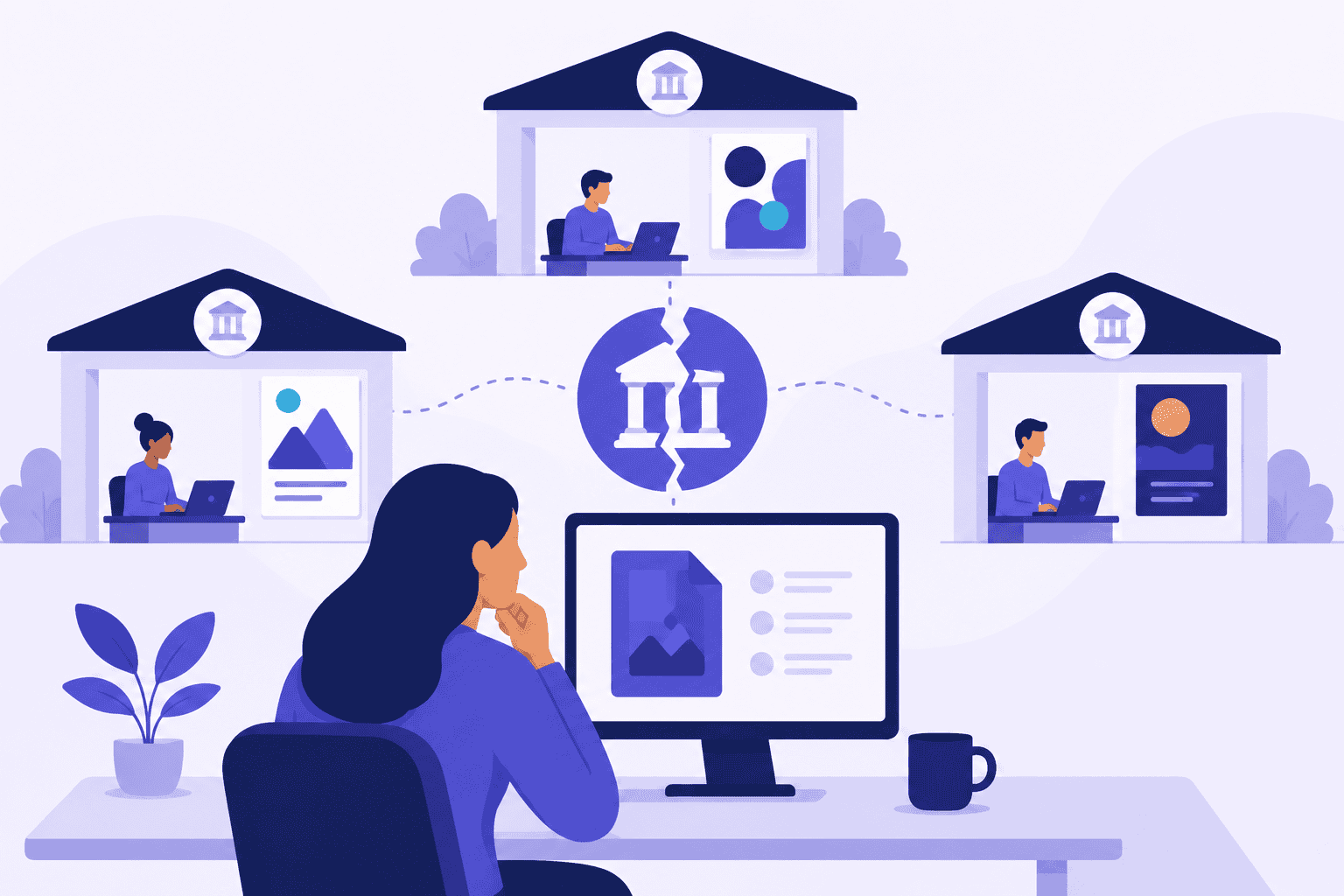
A single accessible document may exist in multiple places, with multiple edits, and no clear visibility into which version is current or compliant.
Older templates resurface. Outdated PDFs are reused. Content that was once remediated quietly becomes inaccessible again through everyday handling.
Preventing regression requires more than awareness — it requires a system of record where institutions can track which assets are approved, compliant, and safe to reuse.
Another blind spot is that compliance exposure doesn’t always live inside the institution’s core web team.
It often lives in the third-party platforms universities rely on:
- Learning management systems
- Event tools
- Donor portals
- External content vendors
ADA Title II applies across the full digital experience, not just the homepage.
And finally, many institutions underestimate the importance of documentation.
Accessibility isn’t only about meeting standards — it’s about being able to prove that standards were met through clear workflows, audit trails, and accountability.
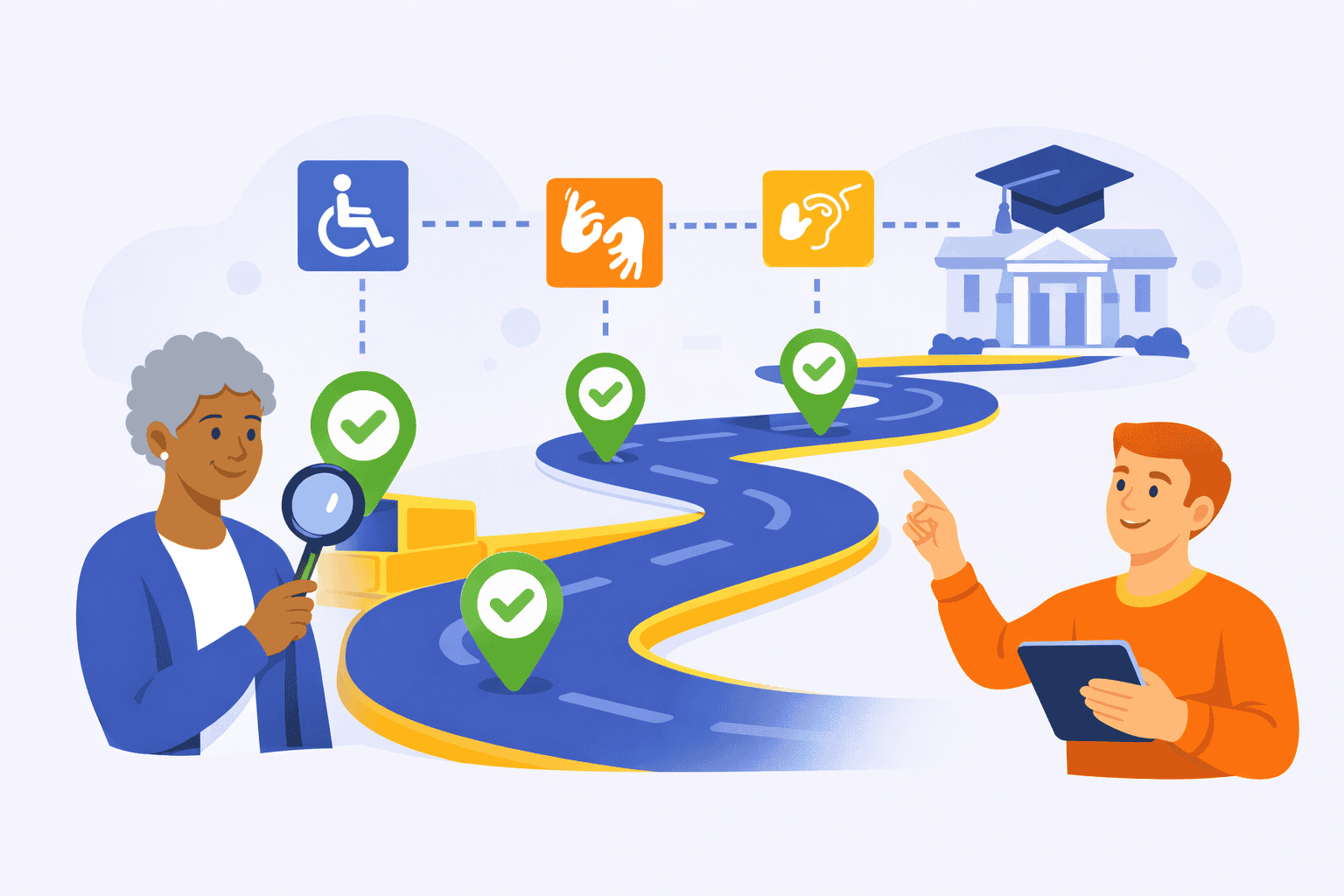
From compliance to confidence
This is where the conversation shifts.
Compliance answers a tactical question:
Are we meeting requirements today?
Confidence answers the operational one:
Can we ensure accessibility remains intact as content continues to grow and change?
Institutions that build accessibility confidence over time typically have:
- Shared standards
- Governed templates
- Structured review workflows
- Visibility into compliant assets
- Clear accountability across teams
Accessibility becomes part of the content lifecycle, not a one-time remediation effort.
Sustaining accessibility requires systems, not heroics
The April 2026 deadline may be the catalyst, but long-term accessibility depends on what institutions operationalize afterward.
When accessibility is supported through governance, workflows, and accountability, universities reduce regression risk, strengthen audit readiness, and ensure that digital content remains inclusive for all learners.
Accessibility isn’t something you finish.
It’s something you sustain — through systems designed to make compliance repeatable, resilient, and lasting.
How Lytho supports long-term ADA confidence
Sustaining accessibility over time requires governance and control as content evolves. Lytho provides institutions with a centralized system to manage compliant templates, maintain version integrity, and ensure accessibility remains embedded across the content lifecycle. To see how Lytho helps universities reduce regression risk and stay audit-ready, request a demo.
Frequently asked questions
What is accessibility regression?
Regression happens when compliant content becomes inaccessible again through edits, reuse, or version drift.
Why does AI increase compliance risk?
AI expands who creates content, increasing volume and inconsistency without governance systems.
What does “confidence” mean in ADA compliance?
Confidence means institutions can prove accessibility is sustained over time — not just achieved once.