How higher ed creative leaders can streamline workflows, ensure compliance, and scale content production without disrupting what works
A surge of creative requests lands in your inbox — departmental campaigns, admissions materials, donor outreach, and last-minute event promotions, each project arriving with tight deadlines, unique requirements, and the non-negotiable need for flawless brand consistency across every touchpoint. For creative leaders in higher education, this is the daily reality, balancing a flood of demands with limited resources while maintaining control and compliance.
Modern creative operations offer a practical way forward, organizing people, processes, and technology to enable efficient, compliant, and scalable content production. Yet, many creative operations directors struggle with rising content demands, fragmented workflows, and the constant risk of losing control over brand standards, all while feeling pressure not to disrupt systems that teams rely on.
This guide outlines a practical, step-by-step framework used by leading institutions to centralize, automate, and streamline creative operations, helping your team scale output, ensure compliance, and support institutional growth without unnecessary disruption.
The case for modern creative operations in higher education
Rising competition for students and funding has raised the stakes for creative teams, requiring universities to deliver more content, faster, and across more channels than ever before. Requests are becoming increasingly complex, ranging from digital campaigns to print collateral, all requiring consistent branding and messaging.
Legacy, ad hoc workflows that rely on emails, spreadsheets, and disconnected cloud folders simply can’t keep pace. These manual processes create bottlenecks, errors, and brand inconsistencies, putting both institutional reputation and regulatory compliance at risk.
There is a clear need for a centralized, modern system. Institutions that act now put themselves in a position to meet today’s demands and tomorrow’s challenges. According to C2B Research (2024), “68% of customers prioritize increasing content volume and 63% improving intake after adopting Lytho,” which shows that creative leaders are feeling the pressure and seeking practical solutions to scale content production and streamline request management.
Building a framework for scalable, compliant, and on-brand content
A modern creative operations framework for higher education rests on four pillars:
Centralized creative intake
Capture all requests in one place. A unified intake ensures every project is logged, prioritized, and tracked, reducing the risk of missed deadlines or overlooked requests. Standardizing information gathering allows teams to spend less time clarifying briefs and more time delivering.
Automated approvals and compliance checks
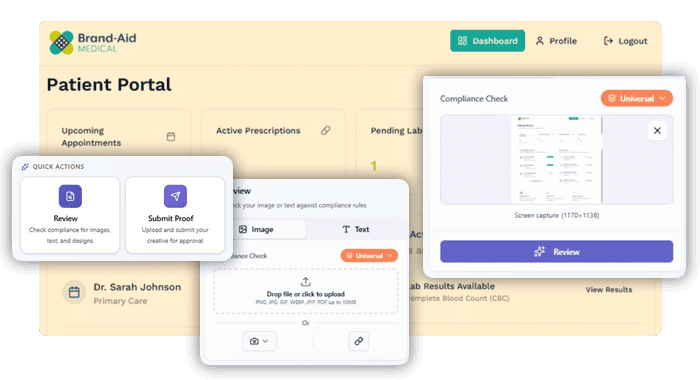
Manual review cycles often result in delays and missed compliance steps. Automating approvals and compliance checks minimizes errors, ensures required sign-offs, and provides audit trails for regulatory needs. This reduces the burden on senior staff and supports consistent, on-brand output.
Streamlined asset management
With assets scattered across different drives and tools, version control becomes a challenge. A single solution for asset management means teams always access the latest, approved files, supporting brand consistency and simplifying distribution to stakeholders across campus.
Actionable insights and reporting
Real-time dashboards and reporting tools give creative leaders visibility into project status, team workloads, and bottlenecks. These insights help teams allocate resources more effectively and improve processes over time.
Leading institutions are already seeing positive outcomes with these methods. Lytho, for example, is “trusted by 600+ in-house agency teams,” showing how unified creative operations solutions bring order and control to complex settings.
Overcoming change management and workflow disruption concerns
One of the biggest concerns for creative leaders is the fear that new systems will disrupt established workflows. Teams worry about the time and effort required to learn new tools, adapt processes, and gain executive buy-in.
A phased rollout can make this transition smoother. Start by piloting new workflows in a single department or project, gather feedback, make adjustments, and expand gradually. Engaging stakeholders early and showing quick wins helps build momentum and support.
Automation does more than streamline processes. It empowers teams. By automating repetitive tasks, junior staff can take on more responsibility, freeing senior creatives to focus on work that has a bigger impact. As Bob Budnik, Director of Brand and Creative at Sun & Ski Sports, shares, “We now have a tool in place where automation allows a junior resource to do the work, saving us money and speeding up delivery. It’s a win for the company’s bottom line and our team’s creativity.” Balancing efficiency and creative freedom is key to successful change management.
Conclusion
Modernizing creative operations in higher education is not about overhauling everything at once. It is about centralizing requests, automating approvals, streamlining asset management, and using real-time insights to support ongoing improvement. These steps help teams deliver more, faster, and with greater control over brand and compliance.
Leading institutions are already achieving operational excellence by adopting these principles, supporting institutional growth and differentiation without unnecessary disruption. Incremental changes can yield significant results and put creative teams in a strong position for long-term success.
For more practical guidance, explore our resource on creative operations best practices. Subscribe for updates or share your campus’s creative operations challenges. We’re here to support your journey.
Frequently asked questions
How can I centralize creative requests without overwhelming my team or losing flexibility?
Start with a phased rollout. Pilot a central intake process in one department, gather feedback, and expand. Choose technology that adapts to your workflows.
What are the biggest compliance risks in higher education creative operations, and how can automation help?
Common risks include outdated branding, accessibility issues, and missed approvals. Automation ensures required steps aren’t skipped and provides audit trails.
How do I measure the impact of modernizing creative operations?
Track metrics like request turnaround time, approval bottlenecks, and stakeholder satisfaction. Use reporting tools to provide insights that support ongoing improvement.