For utilities and energy companies, a surprise audit or a last-minute request for historical communications can disrupt even the most organized creative operations team. The scramble to locate the right version of a rate notification or customer alert, often buried in email threads, shared drives, or outdated folders, adds stress and exposes gaps in compliance. Tracking down who approved what, when, and why becomes a manual, time-consuming challenge that pulls focus from current priorities and introduces risk.
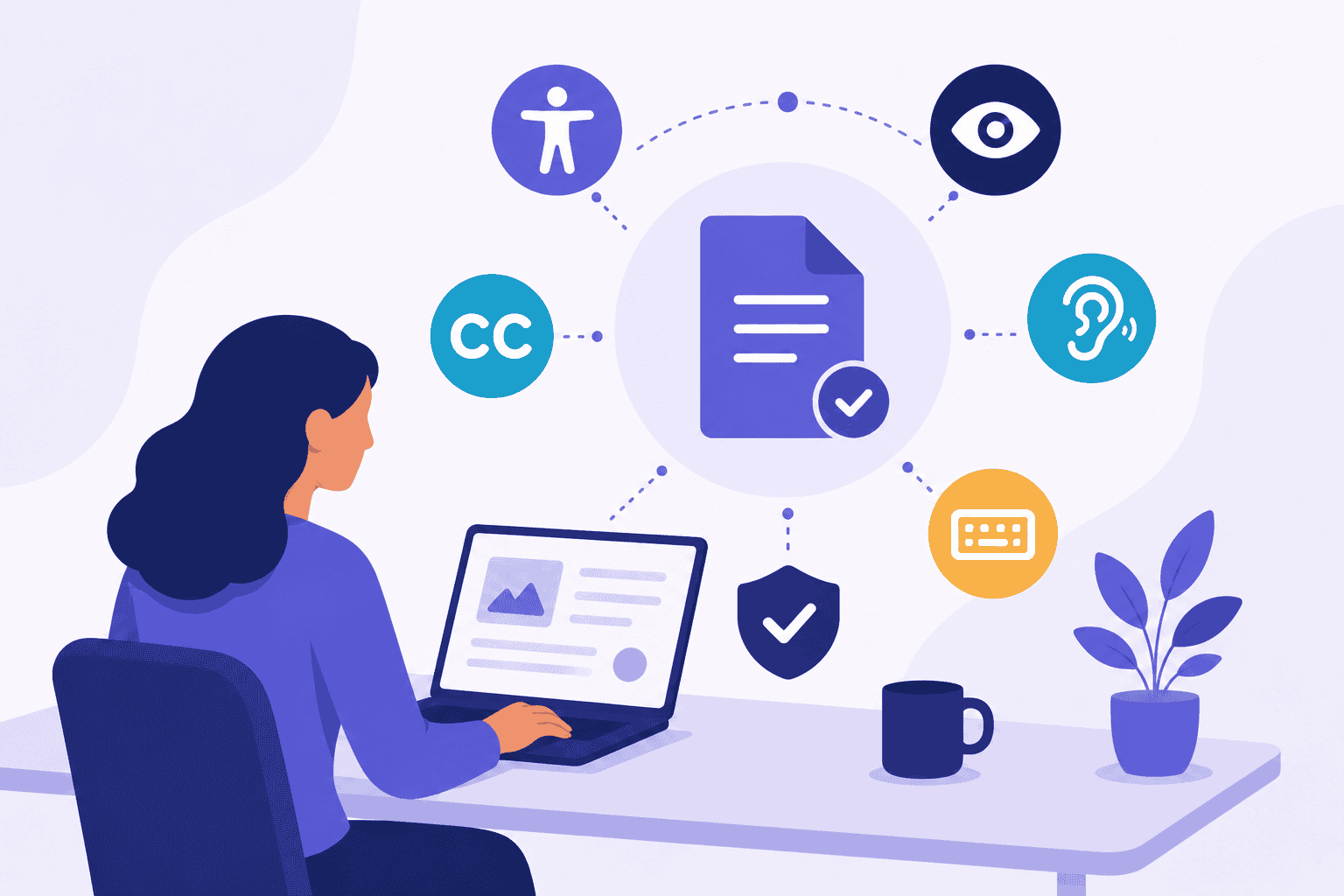
Audit trails and version control are essential to managing customer communications and regulatory requirements. An audit trail is a documented record showing who made changes, when those changes occurred, and who approved them. Version control tracks every update to a customer-facing asset, so thereʼs always a clear record of what was sent and when. These practices form the foundation for demonstrating compliance and for keeping operations organized and defensible during audits or regulatory reviews.
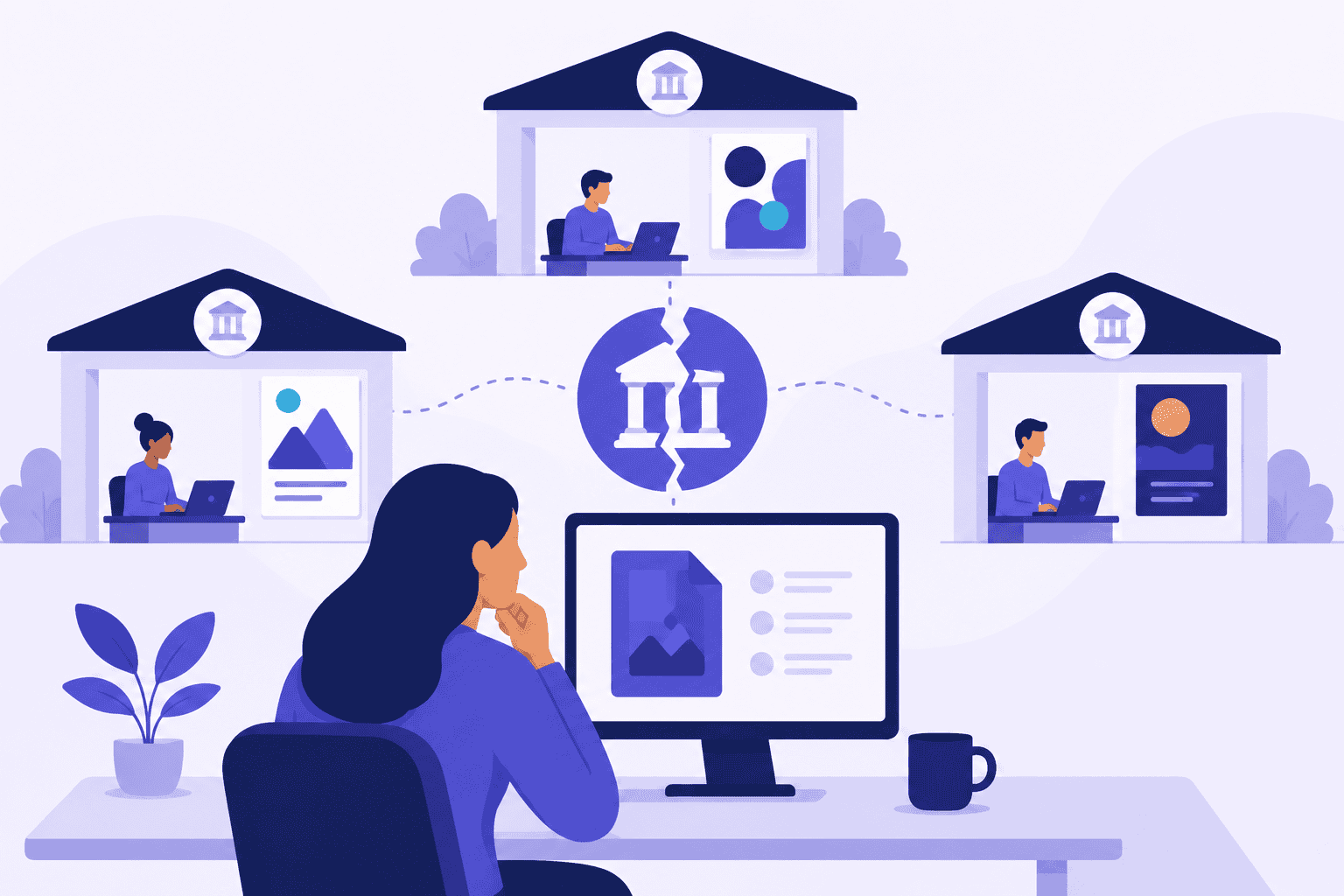
Yet, many creative teams still struggle to maintain consistent audit trails and version control. Fragmented workflows, limited resources, and siloed asset storage create compliance risks and slow down regulatory reviews. This post explores how AI-powered automation can help utilities maintain audit-ready compliance, accelerate regulatory and customer communications, and strengthen brand trust, all while optimizing costs and resources through smarter workflows and detailed audit trails.
Why compliance is getting harder:regulatory pressure and operational challenges
Regulatory scrutiny for utilities and telecom providers is at an all-time high. Agencies now demand robust documentation and oversight for every customer communication, from outage alerts to billing notifications. Regulatory pressure means that every piece of content must be traceable, with clear records of approvals and changes to meet legal and industry standards.
Internally, operational challenges make things even more difficult. Many creative teams rely on manual processes, such as approvals via email, asset storage in multiple locations, and inconsistent workflows for intake and review. These fragmented methods increase the risk of missing compliance steps and make it tough to respond quickly to audit requests.
AI-powered audit trails and version control are compliance tools that are critical to managing operational risk and optimizing resources. By embedding automated compliance tracking into creative operations, utilities can respond confidently to regulatory pressure, accelerate delivery of communications, and realize measurable cost savings through reduced manual effort and faster reviews.
What audit-ready really means: the role of audit trails and version control
Inconsistent messaging and missed compliance communications have a direct impact on public trust. When utilities and energy companies fail to deliver timely, accurate information, especially during outages, rate changes, or safety incidents, customers lose confidence. This loss of trust is difficult to repair and can lead to increased oversight from regulatory bodies such as those enforcing NERC standards.
AI-powered automation and improved workflows do more than save time; they help protect brand reputation, reduce costs, and provide a consistent customer experience. Automated workflow tools empower creative teams to focus on high-value work, reduce costly errors, and deliver consistent brand experiences across every channel. Automated compliance checks and audit trails ensure that every communication is tracked, reviewed, and approved, providing regulators and customers with confidence in your processes.
Operational breakdowns can quickly escalate. Inconsistent messaging may trigger investigations, fines, or even jeopardize the organizationʼs license to operate. By leveraging AIpowered workflow automation, utilities can ensure that every step is documented, every approval is captured, and every message is consistent, directly strengthening brand trust and organizational credibility.
How to build compliance into creative operations without derailing productivity
Adding audit trails and version control to creative operations does not have to slow teams down. AI-powered, centralized solutions like the Lytho suite of tools build compliance tracking directly into existing workflows, simplifying documentation and reducing manual effort. Instead of switching between tools or chasing approvals in email, teams manage intake, reviews, approvals, and asset storage in a single system, with automation ensuring every step is tracked and audit-ready.
Best practices for automation and documentation include:
- Automate audit documentation so every action is tracked without extra steps
- Enable real-time visibility into project status and approvals
- Standardize approval workflows to ensure consistency and reduce missed steps
- Use user-friendly systems that support creative productivity and minimize retraining
AI-powered automation and streamlined processes not only improve operations and compliance, but also lead to measurable cost savings and resource optimization. Operational excellence and compliance go hand in hand. When audit trails and version control are part of daily, automated workflows, teams can move quickly and stay compliant without sacrificing creativity, control, or efficiency.
Future-proofing compliance with smarter workflows
Audit trails and version control, especially when powered by AI-driven automation, help utilities facing regulatory pressure and growing operational demands. These practices ensure compliance, support operational efficiency, and reduce risk by providing clear, accessible records of every customer communication, strengthening both regulatory standing and brand trust.
Automating compliance tracking with centralized solutions minimizes manual effort, reduces errors, and helps teams respond confidently to audits and regulatory reviews. By leveraging AIpowered workflow automation and detailed audit trails, utilities can achieve measurable cost savings, optimize resources, and free up teams for higher-value work.
For creative and content leaders, the path forward is to build audit-readiness into daily operations with tools that support both compliance and productivity, safeguarding your organization from costly errors, accelerating the delivery of communications, and enhancing your reputation with both customers and regulators.
Frequently asked questions
What are the most common workflow breakdowns in regulatory communications and how can they be prevented?
Some of the most frequent workflow breakdowns in regulatory communications include unclear intake processes, reliance on manual reviews, and the absence of a reliable audit trail. These issues can result in missed deadlines, inconsistent messaging, and increased compliance risk. By implementing AI-powered workflow automation and centralized systems, organizations can automate review and approval steps, ensure all actions are tracked, and provide transparency for both internal teams and regulators. These improvements not only reduce errors and missed steps, but also lead to measurable cost savings and resource optimization by minimizing manual work.
How do inefficient workflows impact compliance with NERC standards and other regulations?
Inefficient workflows can significantly undermine compliance with NERC standards and similar regulations by making it difficult to track approvals, meet deadlines, and ensure message consistency. When teams depend on manual processes or disconnected tools, they risk overlooking critical compliance steps, which can lead to costly penalties, regulatory investigations, and loss of public trust. AI-powered automation streamlines workflows and compliance checks, keeping organizations audit-ready, avoiding fines, and freeing up resources for strategic work. In short, efficient, automated workflows are essential for meeting regulatory obligations, optimizing costs, and protecting organizational reputation.
What practical steps can creative operations leaders take to build more resilient workflows?
Creative operations leaders can enhance workflow resilience by standardizing intake procedures, automating reviews and approvals, and documenting every step of the process with clear audit trails. Adopting AI-powered solutions, such as the Lytho suite of tools, enables teams to centralize requests, monitor progress, and ensure every action is recorded for compliance audits. These practical steps reduce the risk of errors, increase operational efficiency, support cost savings, and provide the transparency regulators require. By building resilient, automated workflows, organizations strengthen their reputation, minimize compliance risk, and position themselves to adapt quickly to evolving regulatory demands.