Why generic project management tools put healthcare creative teams at risk and how purpose-built automation keeps you compliant
Your creative team is racing to launch a new campaign, but suddenly, a compliance issue surfaces and delays everything. The real problem is a patchwork workflow built on generic project management tools that cannot keep up with healthcare’s strict requirements. This is a common scenario for leaders managing creative operations in integrated health systems.
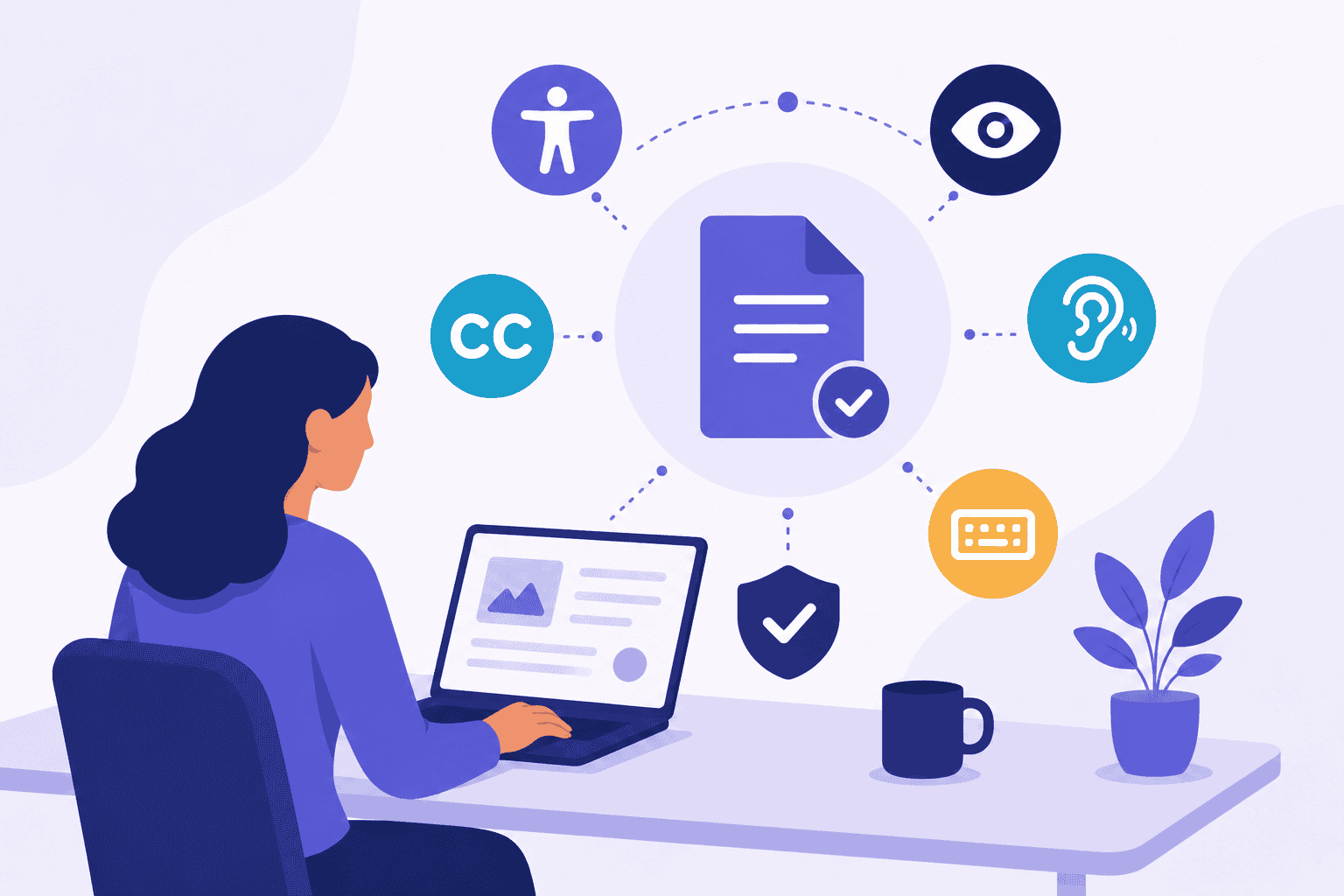
Creative workflow automation in healthcare means using technology to automate the intake, review, approval, and distribution of creative projects while following industry regulations. Many teams, under pressure to move faster, turn to off-the-shelf project management tools or cobble together spreadsheets, file storage, and email, attracted by promises of quick fixes and flexibility. The reality, though, is often hidden compliance risks, workflow bottlenecks, and scattered assets that slow teams down.
If you are responsible for creative operations, the stakes are high. Relying on non-specialized tools can expose your organization to regulatory penalties, brand inconsistency, and operational headaches. This blog explains why DIY solutions fall short in healthcare, what unique challenges creative teams face, and how purpose-built platforms like Lytho solve these problems. By the end, you will have the knowledge to make smarter decisions about your martech stack and protect your brand.
Why healthcare creative operations are different
Healthcare creative teams deal with requirements other industries rarely encounter. Regulatory, compliance, and security demands are part of daily life, with HIPAA, FDA guidelines, and internal brand standards requiring every asset to be tracked, reviewed, and auditable. Missing a step can mean regulatory violations, costly fines, or even reputational damage.
The pace and complexity of healthcare marketing adds another layer of difficulty. Large hospital networks must coordinate content across multiple sites, departments, and service lines, and creative teams are under pressure to deliver high volumes of compliant, on-brand assets—often with limited resources.
Generic project management tools are not built for this setting. They lack built-in compliance features, automated approval flows, and centralized controls for digital assets, leaving teams exposed to compliance risks and workflow issues such as:
- Data silos, where assets are scattered across platforms and hard to find
- Fragmented asset management, making version control and brand consistency difficult
- Manual compliance tracking, which is error-prone and time-consuming
- Missing audit trails, putting the organization at risk during regulatory reviews
Compliance risk and workflow issues are not just technical concerns. They are operational threats that can impact patient trust, marketing effectiveness, and even your organization’s bottom line.
The hidden dangers of DIY solutions
Many healthcare creative leaders try to customize off-the-shelf project management tools or rely on spreadsheets and email chains to move projects forward. While this might seem flexible and cost-effective, in practice, it brings a host of hidden dangers.
Typical DIY setups include:
- Customizing general project management platforms (like Monday.com or Wrike) for creative workflows
- Using spreadsheets to track asset status, approvals, and deadlines
- Storing files in shared drives or cloud folders, often with inconsistent naming conventions
- Relying on email threads for feedback and approvals
These approaches lead to several workflow issues:
- Data silos, where assets and feedback are scattered across platforms, making it difficult to get a complete picture of project status
- Asset fragmentation, with multiple versions of files circulating and increasing the risk of publishing outdated or non-compliant content
- Security vulnerabilities, since sensitive information, including protected health information (PHI), can be exposed if files are not properly secured or access is not controlled
- Manual compliance tracking, which requires teams to remember to document every approval and review, increasing the chance of missing a step
The compliance risk is real. Generic tools often lack built-in audit trails and permission controls, which makes it easy for unauthorized users to access sensitive material or for documentation to go missing during an audit. According to a Lytho customer, “We saw a 133% increase in project completion after centralizing our workflow.” Another client reported, “Review cycles are now 300% faster, and compliance checks are built in.” These results are not possible when teams are stuck in manual, fragmented processes.
What purpose-built automation really solves
Purpose-built creative workflow automation platforms, such as Lytho, are designed specifically for the needs of regulated industries like healthcare. They address the compliance and workflow challenges that DIY solutions cannot.
Here is what these specialized platforms deliver:
Centralized asset management
- All creative assets, feedback, and approvals are managed in one place, eliminating data silos
- Version control happens automatically, reducing the risk of outdated or off-brand content
Automated compliance controls
- Built-in audit trails track every action and approval for regulatory readiness
- Permissioning ensures only authorized users can access sensitive files
- Compliance checks are embedded in the workflow, reducing manual effort
Measurable operational efficiency
- Automated intake and approval flows move projects from request to publication faster
- Teams see increased project throughput and shorter review cycles
- Leadership gets real-time visibility into content performance and operations
The impact is clear. One healthcare client shared, “We reduced asset search time by 80% and improved brand consistency.” Another reported, “Automated workflows helped us pass our last compliance audit with zero findings.” These are the kinds of results that matter when your team is under pressure to deliver measurable value and stay compliant.
Conclusion
DIY solutions and generic project management tools leave healthcare creative teams exposed to compliance risk, operational inefficiency, and brand inconsistency. The hidden costs—lost time, increased audit exposure, and delayed campaigns—are too high to ignore.
Purpose-built automation platforms address the full range of healthcare’s workflow and compliance needs. They help creative leaders deliver value, protect their brand, and keep up with regulatory demands. As more hospital networks invest in AI-driven asset management and workflow automation, now is the time to evaluate your current martech stack.
Ask yourself if your tools are helping you stay compliant and efficient, or if they are putting you at risk. Consider exploring a specialized platform like Lytho to see how you can transform your creative operations.
For more on creative workflow compliance, explore our related blog on healthcare best practices or download our compliance checklist for creative teams.